
Best Age to Start Learning Carnatic Music: Complete Guide for Parents 2026
What's the best age to start learning Carnatic music? Discover how individual readiness, family support, and quality instruction matter more than chronological age. Expert guidance for every stage.
Best Age to Start Learning Carnatic Music: Complete Guide for Parents
Introduction
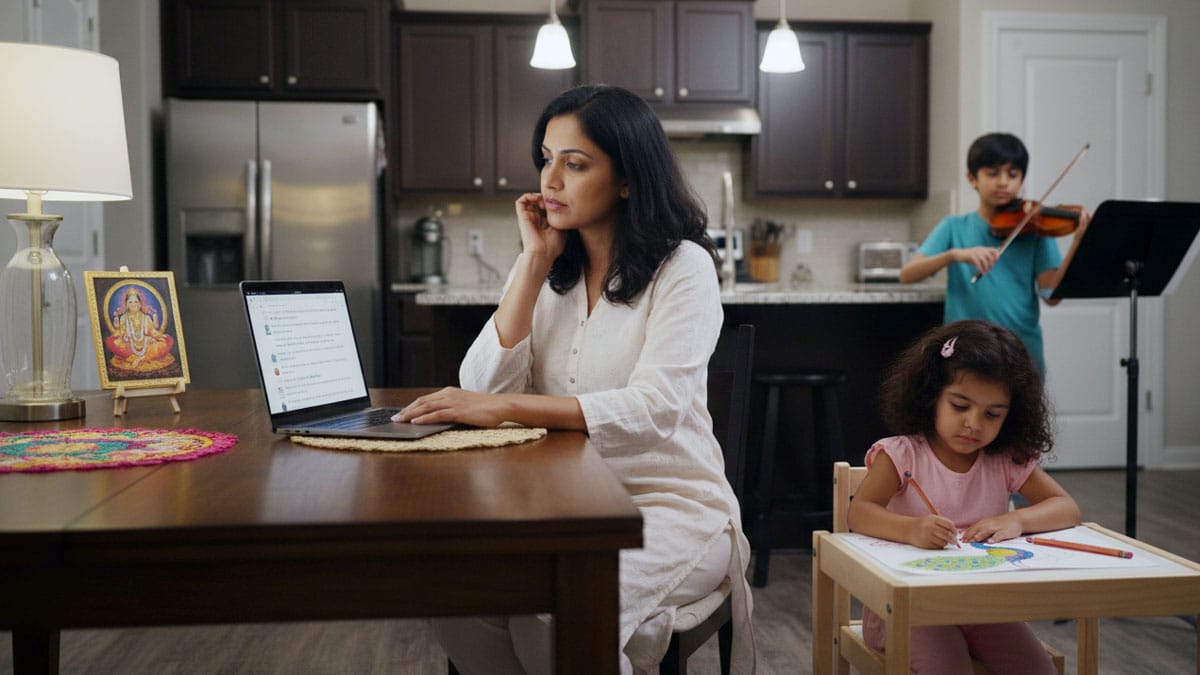
“Is my 6-year-old too young to start Carnatic music lessons?” Priya asked anxiously during her consultation call from her Cupertino home. Her daughter Ananya had been humming along to classical music for months, but Priya worried about overwhelming her with formal instruction too early. Her mother-in-law insisted “the younger, the better,” while her pediatrician friend suggested waiting until age 8 for “proper focus.”
If you’re wondering about the best age to start learning Carnatic music, you’re facing one of the most common dilemmas among Indian-American parents. The concern is understandable – start too early and risk frustration or burnout; wait too long and miss the “optimal learning window” that everyone talks about.
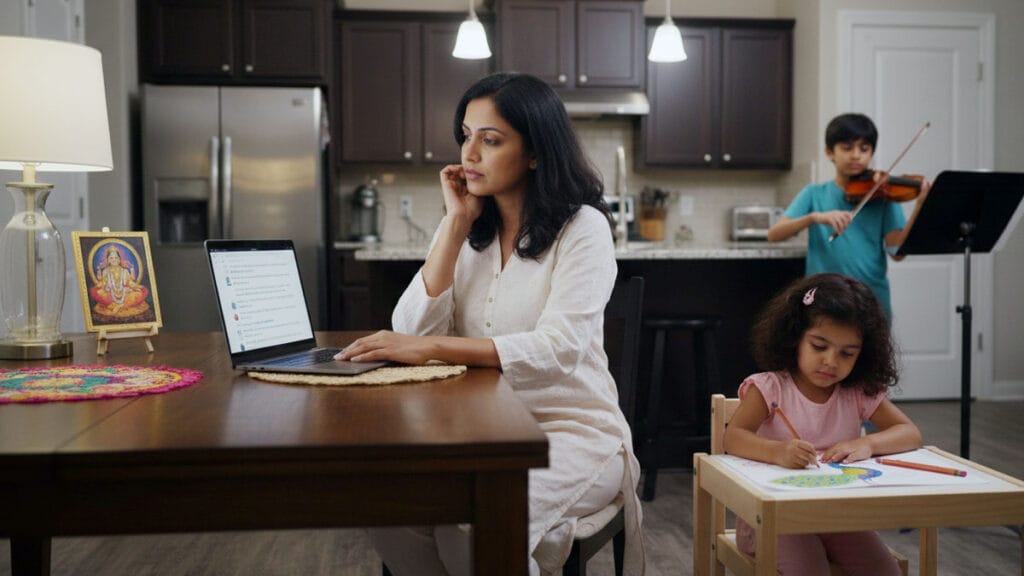
The truth about the best age to start learning Carnatic music is more nuanced than simple number ranges. While certain ages offer developmental advantages, success depends more on individual readiness, family support, and teaching approach than chronological age alone.
This comprehensive guide examines each age group’s unique advantages and challenges, debunks common myths about optimal starting ages, and provides practical assessment tools to determine readiness. Whether you’re considering lessons for a curious 4-year-old in Texas or wondering if your 14-year-old in New Jersey has “missed the window,” this analysis helps you make the right decision for your family.
By the end of this article, you’ll understand exactly when and how to start your child’s Carnatic music journey – and feel confident that timing is less important than approach, commitment, and finding the right teacher.
Table of Contents
Understanding Age vs. Readiness in Musical Learning
The Myth of the “Perfect Starting Age”
What’s the best age to start learning Carnatic music? The question assumes there’s a single optimal age for all children, but research in music education reveals a more complex picture.
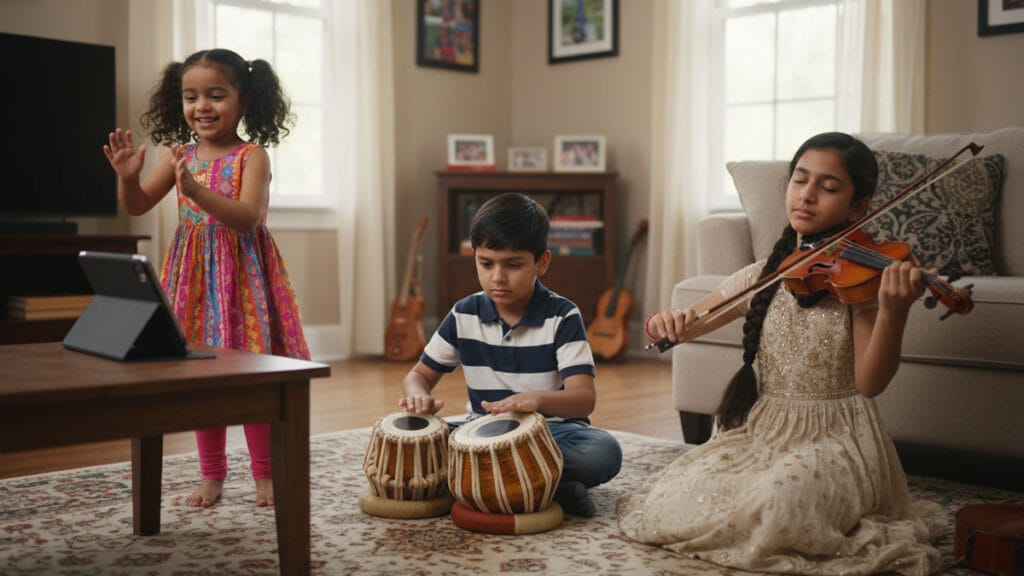
Age vs. Readiness: What Really Matters
Traditional Age Recommendations:
- “Start by age 5 for maximum benefit” – Based on brain plasticity research
- “Age 7-8 is ideal for formal instruction” – Balances cognitive readiness with attention span
- “After 12 is too late for mastery” – Myth based on outdated learning theories
Modern Understanding of Musical Readiness:
- Individual development varies significantly – Some 5-year-olds have 8-year-old focus; some 10-year-olds need 6-year-old patience
- Motivation matters more than age – A genuinely interested 12-year-old progresses faster than a reluctant 6-year-old
- Cultural connection timing differs – Heritage appreciation can develop at any age with proper context
- Family readiness is crucial – Parent commitment and support affect success more than child’s chronological age
The Real Factors That Predict Success
Table Block:
| Success Factor | More Important Than Age | Why It Matters |
|---|---|---|
| Genuine Interest | Child requests or enjoys musical activities | Intrinsic motivation sustains effort through challenges |
| Attention Span | Can focus for 15-20 minute activities | Necessary for effective lesson participation |
| Family Commitment | Parents understand and support practice requirements | Home support determines long-term success |
| Cultural Context | Family values and practices Indian traditions | Heritage connection enhances meaning and motivation |
| Learning Style Match | Teaching approach suits child’s personality | Right fit accelerates progress regardless of age |
| Realistic Expectations | Family understands age-appropriate goals | Proper expectations prevent frustration and dropout |
Developmental Advantages by Age Group
Different ages offer unique learning advantages rather than better or worse starting points.
Early Childhood (Ages 4-7): The Natural Absorption Phase
Developmental Advantages:
🎵 Uninhibited Expression: No self-consciousness about singing or making musical sounds
🎵 Pattern Recognition: Excellent at absorbing musical patterns through repetition
🎵 Language Plasticity: Easy acquisition of Sanskrit and Tamil pronunciation
🎵 Rhythm Integration: Natural tendency to move and clap with musical beats
🎵 Cultural Acceptance: Readily accept traditional practices without questioning
Developmental Challenges:
🎵 Short Attention Span: Difficulty with focused practice beyond 15-20 minutes
🎵 Abstract Concept Limitations: Cannot understand complex theoretical explanations
🎵 Motor Skill Development: May struggle with precise hand positions or breathing control
🎵 Motivation Dependence: Relies heavily on external encouragement and family enthusiasm
School Age (Ages 8-12): The Learning Sweet Spot
Developmental Advantages:
🎵 Cognitive Readiness: Can understand basic music theory and cultural concepts
🎵 Extended Focus: Capable of 30-45 minute concentrated practice sessions
🎵 Memory Consolidation: Peak years for memorizing songs and complex patterns
🎵 Cultural Curiosity: Interested in heritage, family traditions, and historical context
🎵 Achievement Motivation: Enjoys mastering skills and showing progress to family
Developmental Challenges:
🎵 Competing Interests: Multiple activities and academic pressures for time and attention
🎵 Peer Influence: May feel embarrassed about traditional activities if peers don’t appreciate
🎵 Perfectionism Development: Beginning self-criticism that can inhibit natural expression
🎵 Schedule Complexity: School and activity commitments require careful time management
Teenagers (Ages 13-18): The Identity Formation Phase
Developmental Advantages:
🎵 Identity Integration: Can connect music learning to personal and cultural identity
🎵 Advanced Understanding: Grasps complex philosophical and spiritual aspects of traditions
🎵 Self-Motivation: Intrinsic interest in cultural preservation and artistic expression
🎵 Performance Confidence: Natural stage presence and audience connection abilities
🎵 Teaching Readiness: Can mentor younger students and contribute to community
Developmental Challenges:
🎵 Social Pressures: Competing demands from peer groups and social activities
🎵 Vocal Changes: Physical changes may temporarily affect singing ability
🎵 Time Scarcity: Heavy academic and extracurricular commitments
🎵 Independence Assertion: May resist family-imposed cultural activities
Early Childhood (Ages 4-7): Building Musical Foundation
The Magic and Challenges of Starting Young
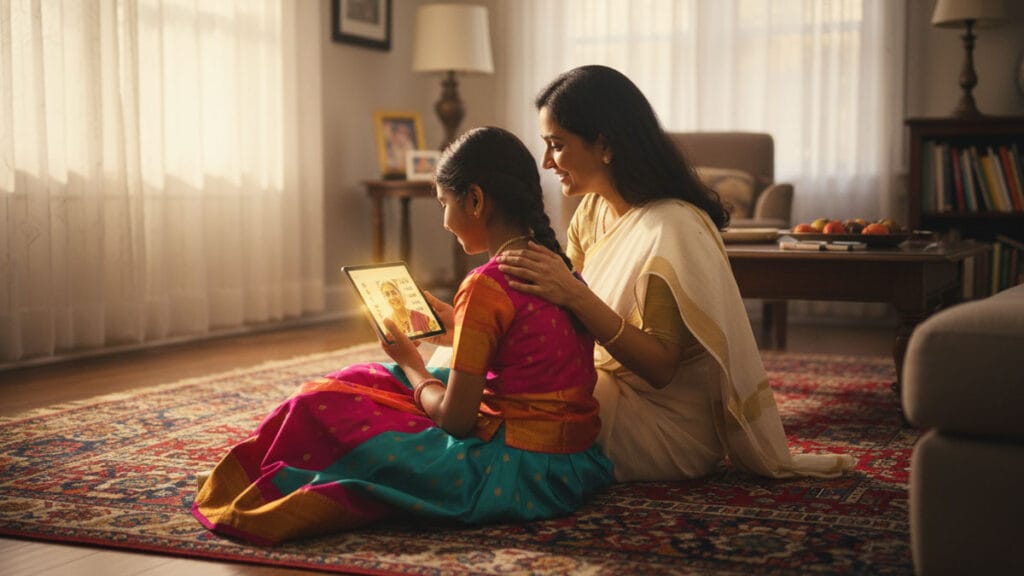
Is 4-7 the best age to start learning Carnatic music? For some children and families, early childhood offers unique advantages that set the stage for lifelong musical connection.
✅ Why Early Childhood Can Be Ideal
Natural Musical Absorption: Young children learn music the way they learn language – through immersion, repetition, and natural absorption rather than analytical understanding. This makes them excellent candidates for:
- Pitch Development: Establishing accurate pitch recognition before bad habits form
- Rhythmic Integration: Natural body movement helps internalize complex tala patterns
- Cultural Imprinting: Associating Indian music with comfort, family, and positive experiences
- Pronunciation Mastery: Learning Sanskrit and Tamil lyrics with native-like accuracy
Uninhibited Learning:
- No Performance Anxiety: Young children sing unselfconsciously and expressively
- Openness to Correction: Accept teacher guidance without ego or resistance
- Pure Enjoyment Focus: Motivated by fun and family approval rather than achievement pressure
- Traditional Acceptance: Readily embrace cultural practices and respectful learning attitudes
❌ Early Childhood Challenges to Consider
Developmental Limitations:
- Attention Span Reality: Most 4-6 year olds can’t focus for more than 15-20 minutes consistently
- Abstract Thinking: Cannot understand raga theory, historical context, or philosophical meanings
- Physical Coordination: May struggle with breath control, hand positions, or sitting posture
- Emotional Regulation: Frustration with difficulty can lead to tears or complete shutdown
Family Dependency Requirements:
- High Parental Involvement: Parents must sit through lessons and guide practice daily
- Consistency Demands: Young children need daily routine support and encouragement
- Patience Requirements: Progress appears slow and non-linear with frequent plateaus
- Long-term Commitment: Benefits appear years later, requiring sustained family dedication
Making Early Childhood Learning Successful
🎯 Strategies for Success with Young Learners
Age-Appropriate Teaching Methods:
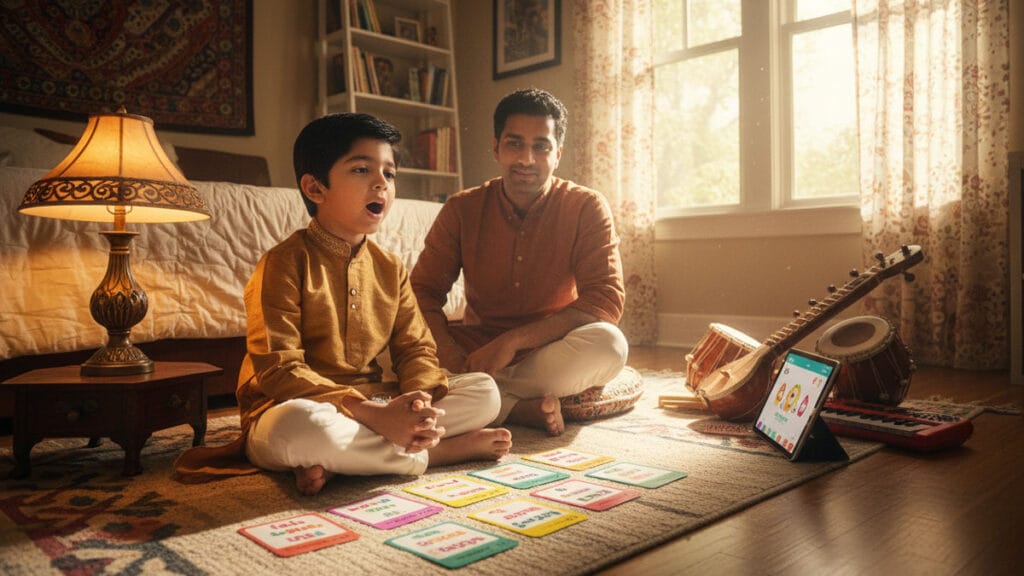
- Play-Based Learning: Games, stories, and movement activities that teach musical concepts
- Repetition Through Fun: Multiple ways to practice the same concept without boredom
- Visual and Kinesthetic Support: Hand gestures, colorful cards, and physical movement
- Short, Frequent Sessions: 15-20 minute lessons with multiple weekly touchpoints
- Celebration Focus: Emphasis on effort and participation rather than perfect execution
Family Support Systems:
- Parent Education: Teaching parents how to support practice and maintain enthusiasm
- Daily Integration: Making music part of family routine, not separate obligation
- Sibling Involvement: Including other children in musical games and activities
- Extended Family Connection: Helping grandparents appreciate and encourage progress
- Cultural Context: Connecting learning to festivals, traditions, and family stories
Realistic Milestone Setting:
- 3-6 Months: Enjoys musical time, recognizes basic swaras, participates willingly
- 6-12 Months: Memorizes 2-3 simple songs, shows pitch improvement, requests music time
- 12-18 Months: Comfortable performing for family, basic rhythm sense, cultural curiosity
- 18-24 Months: Ready for more structured learning, shows musical maturity, sustained interest
🚨 When Early Childhood Starting Isn’t Right
Consider Waiting If:
- Child shows consistent resistance to musical activities despite patient, playful approaches
- Attention span remains under 10 minutes after 2-3 months of trying
- Family cannot provide daily support and consistency required for young learners
- Other developmental priorities need attention first (speech, motor skills, etc.)
- Forced participation rather than genuine interest or curiosity about music
Red Flags to Watch:
- Increasing tears or anxiety around music time
- Physical tension or complaints during singing activities
- Regression in enthusiasm despite positive family approach
- Interference with sleep or appetite due to practice stress
- Family conflict arising from practice expectations
School Age (Ages 8-12): The Golden Learning Window
Why Many Consider This the Optimal Starting Age
Many music educators consider ages 8-12 the best age to start learning Carnatic music because this period balances cognitive readiness with enthusiasm and availability.

✅ Peak Learning Advantages of School Age
Cognitive and Physical Readiness:
- Abstract Thinking Development: Can understand raga concepts, composer histories, and cultural significance
- Extended Attention Span: Capable of 30-45 minute focused practice sessions
- Memory Consolidation Peak: Optimal age for memorizing complex compositions and patterns
- Motor Skill Maturity: Good breath control, posture, and hand coordination
- Language Processing: Comfortable with multi-language lyrics and pronunciation challenges
Motivational Sweet Spot:
- Achievement Orientation: Enjoys mastering new skills and showing progress to family
- Cultural Curiosity: Interested in heritage, family stories, and traditional practices
- Performance Readiness: Comfortable sharing learning at family and community events
- Peer Respect Potential: Cultural skills can become source of pride among classmates
- Identity Formation: Music learning integrates with developing sense of self and heritage
Practical Advantages:
- Schedule Flexibility: More control over after-school time than teenagers
- Family Integration: Still values family approval and cultural connection
- Learning Efficiency: Fastest progress period with proper instruction
- Foundation Building: Ideal time to establish techniques that support lifelong learning
- Community Participation: Ready for cultural events, competitions, and group activities
📚 School Age Learning Characteristics
Table Block:
| Development Area | Ages 8-10 | Ages 10-12 | Teaching Implications |
|---|---|---|---|
| Attention Span | 25-35 minutes focused practice | 35-45 minutes sustained concentration | Can handle full lesson structure |
| Memory Capacity | Excellent rote memorization | Peak memorization + comprehension | Ideal for building repertoire |
| Cultural Understanding | Beginning heritage appreciation | Deep cultural curiosity | Can integrate meaning with technique |
| Performance Confidence | Family-comfortable | Community-ready | Great age for first public performances |
| Physical Capability | Good basic technique | Advanced technique possible | Can master complex compositions |
| Self-Motivation | Needs external encouragement | Developing internal drive | Transition to independent practice |
Maximizing School Age Learning Success
🎯 Optimizing the School Age Advantage
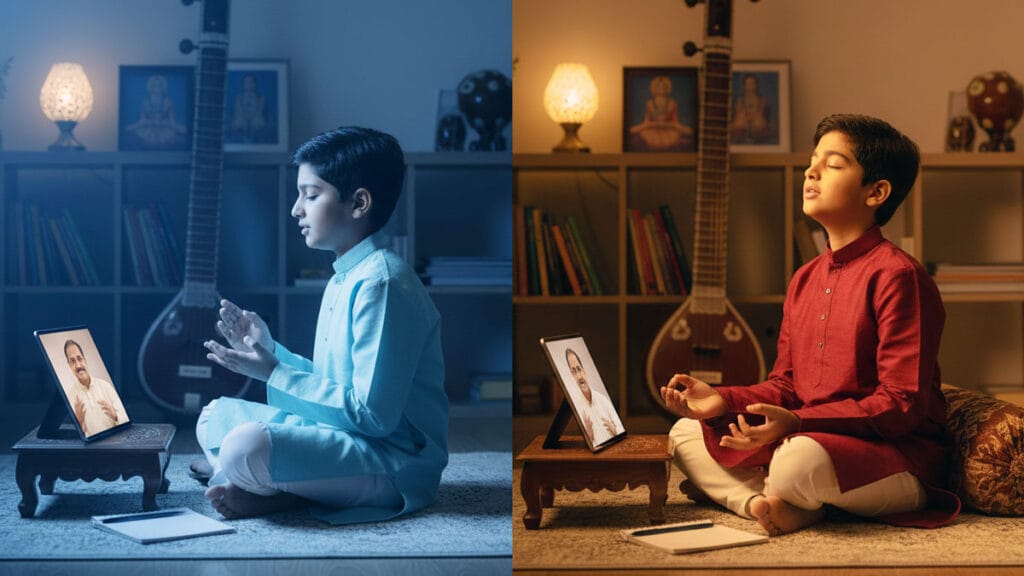
Structured Learning Approach:
- Systematic Curriculum: Age-appropriate progression from exercises to compositions
- Theory Integration: Combining practical singing with cultural and theoretical understanding
- Performance Preparation: Regular opportunities to showcase learning and build confidence
- Skill Building Focus: Establishing proper techniques that support advanced learning
- Cultural Education: Deep dive into composer stories, historical context, and spiritual meanings
Family Partnership Strategies:
- Parent Education: Teaching families how to support without over-managing practice
- Schedule Integration: Working with family routines and academic commitments
- Sibling Coordination: Managing multiple children’s activities and mutual support
- Extended Family Involvement: Helping grandparents understand and appreciate progress
- Community Connection: Linking to local cultural organizations and events
Motivation and Progress Tracking:
- Goal Setting: Establishing short-term and long-term musical objectives
- Achievement Recognition: Celebrating milestones and breakthrough moments
- Challenge Management: Supporting students through difficult learning phases
- Peer Connections: Facilitating friendships with other culturally engaged children
- Leadership Development: Opportunities to help younger students or family members
🎵 What School Age Students Can Achieve
Year 1 Realistic Expectations:
- Repertoire: 8-12 compositions including structured varnams and simple kritis
- Technical Skills: Good pitch accuracy, basic rhythm coordination, proper breathing
- Cultural Knowledge: Understanding of major composers and composition meanings
- Performance Ability: Confident family performances, community event participation
- Practice Independence: Can practice familiar material without constant supervision
Year 2 Advanced Development:
- Complex Compositions: Challenging kritis and advanced traditional pieces
- Improvisation Beginning: Basic alapana and simple swara variations
- Cultural Depth: Historical and spiritual understanding of musical traditions
- Teaching Readiness: Can explain concepts to younger siblings or friends
- Performance Excellence: Solo performances at significant cultural events
Long-term Trajectory: School-age starters with consistent instruction often achieve by age 16-18:
- Advanced amateur performance capability
- Teaching qualification for beginner students
- Deep cultural knowledge and community leadership
- Potential for advanced study or performance career
- Lifelong musical and cultural connection
Teenagers (Ages 13-18): Late Start Success Stories
Debunking the “Too Late” Myth
Is 13-18 too old for the best age to start learning Carnatic music? This common misconception prevents many teenagers from experiencing the profound benefits of classical music education during a crucial identity formation period.

✅ Unique Advantages of Teenage Starting
Cognitive and Emotional Maturity:
- Abstract Thinking Mastery: Can understand complex philosophical and spiritual aspects immediately
- Cultural Identity Integration: Music learning becomes part of personal heritage exploration
- Self-Motivation Capacity: Intrinsic interest drives consistent practice and rapid progress
- Emotional Expression: Natural ability to convey the devotional and emotional content of compositions
- Adult Learning Strategies: Can use analytical thinking and study skills to accelerate progress
Social and Performance Benefits:
- Cultural Pride Development: Standing out positively among peers through unique heritage skills
- Leadership Opportunity: Becoming cultural ambassador in school and community settings
- Performance Confidence: Natural stage presence and audience connection abilities
- Community Contribution: Ready to participate meaningfully in cultural organizations and events
- Intergenerational Bonding: Creating deeper connections with grandparents and extended family
Practical Advantages:
- Focused Goal Setting: Clear understanding of what they want to achieve and why
- Efficient Learning: Can progress rapidly when properly motivated and supported
- Cultural Context Appreciation: Understanding the value and significance of preserving traditions
- Quality Time Management: Better at balancing learning with other commitments when interested
- Long-term Perspective: Sees learning as investment in cultural identity and personal development
❌ Teenage Starting Challenges
Developmental and Social Factors:
- Competing Priorities: Heavy academic, social, and extracurricular demands on time and attention
- Peer Pressure Concerns: Worry about friends’ reactions to traditional cultural activities
- Physical Changes: Voice changes during puberty may temporarily affect singing ability
- Independence Assertion: May resist family-encouraged activities even if personally interested
- Perfectionism Pressure: Higher self-criticism can inhibit natural musical expression
Learning Curve Considerations:
- Technique Development: May take longer to develop proper vocal technique than younger starters
- Habit Formation: Existing musical habits from other genres may need adjustment
- Time Intensity: Achieving competency requires more concentrated effort than gradual childhood development
- Cultural Catch-up: Learning cultural context that younger starters absorb gradually over years
- Family Dynamics: May feel self-conscious learning alongside or after younger siblings
Teenage Success Strategies
🎯 Optimizing Teenage Learning
Motivation and Identity Integration:
- Cultural Exploration Framework: Positioning music learning as heritage discovery and identity development
- Peer Community Building: Connecting with other culturally engaged teenagers for mutual support
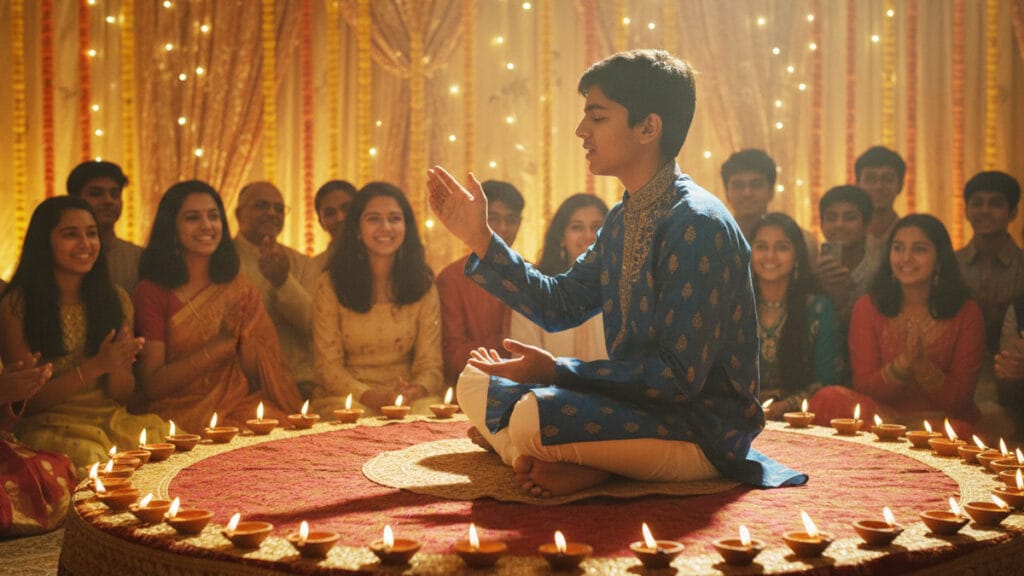
- Performance Opportunities: Regular chances to showcase learning and build cultural confidence
- Leadership Development: Opportunities to teach younger students or lead cultural activities
- Future Visioning: Connecting current learning to college applications, cultural organizations, and career possibilities
Accelerated Learning Approaches:
- Intensive Study Options: Concentrated learning periods during school breaks or summer programs
- Theory Integration: Combining practical learning with deep cultural and historical understanding
- Adult Learning Techniques: Using analytical skills and study strategies to master concepts quickly
- Cultural Immersion: Attending concerts, festivals, and cultural events to accelerate understanding
- Mentorship Connections: Learning from advanced students or young adults who started as teenagers
Family and Social Navigation:
- Respect for Autonomy: Allowing teenager to drive their own learning goals and schedule
- Cultural Pride Building: Helping teenager see musical skills as unique strength rather than obligation
- Peer Integration: Finding ways to share learning with friends and school community
- Academic Integration: Connecting musical learning to school projects, college applications, or career exploration
- Extended Family Connection: Facilitating deeper relationships with grandparents and cultural community
🏆 What Teenagers Can Accomplish
Rapid Progress Timeline:
- 6 Months: Basic competency, family performance ability, cultural appreciation
- 12 Months: Intermediate skills, community event participation, peer respect for abilities
- 18 Months: Advanced amateur level, teaching readiness, cultural leadership capacity
- 2-3 Years: Potential performance mastery, college-level cultural involvement, community recognition
Unique Teenage Achievements:
- Cultural Bridge Building: Connecting traditional heritage with contemporary American life
- Peer Education: Teaching friends and classmates about Indian classical music traditions
- Academic Integration: Using musical knowledge for school projects, cultural presentations, or college essays
- Community Leadership: Taking active roles in cultural organizations and community events
- Identity Formation: Developing strong cultural identity and pride in heritage knowledge
College and Career Benefits:
- Unique Application Distinction: Standing out in college admissions through authentic cultural engagement
- Scholarship Opportunities: Cultural scholarships and minority achievement recognition
- Leadership Experience: Cultural organization involvement and community service opportunities
- Network Building: Connections with cultural community and potential mentors
- Personal Confidence: Strong cultural identity and public speaking/performance experience
Adult Learning: Starting at Any Age
Why Adults Can Excel at Carnatic Music
While exploring the best age to start learning Carnatic music, many parents wonder if they themselves have “missed the window.” Adult learning offers unique advantages that can lead to deeply satisfying musical and cultural experiences.
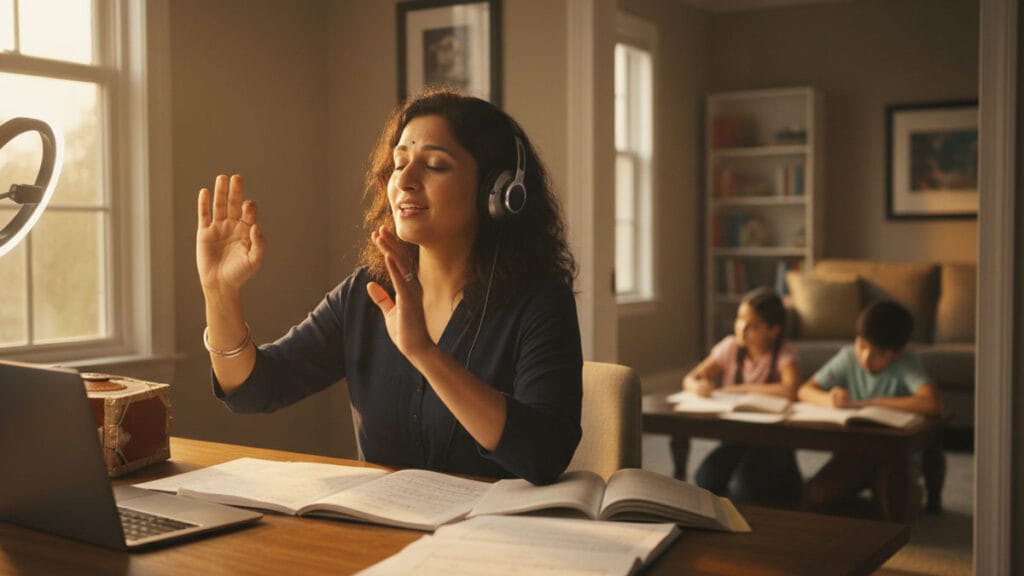
✅ Unique Adult Learning Advantages
Life Experience and Maturity:
- Cultural Understanding: Deep appreciation for spiritual and philosophical aspects of compositions
- Emotional Connection: Life experiences enhance ability to convey devotional and emotional content
- Self-Motivation: Intrinsic desire to learn rather than external family or social pressure
- Goal Clarity: Clear understanding of what they want to achieve and why it matters
- Patience and Persistence: Realistic expectations and commitment to gradual, steady progress
Practical and Social Benefits:
- Heritage Connection: Reconnecting with cultural roots and family traditions
- Family Modeling: Demonstrating cultural pride and lifelong learning to children
- Community Involvement: Participating meaningfully in cultural organizations and events
- Intergenerational Bonding: Creating deeper connections with parents and extended family
- Personal Fulfillment: Finding joy and meaning in cultural practice and artistic expression
Learning Efficiency:
- Analytical Thinking: Using professional problem-solving skills to understand musical concepts
- Discipline Transfer: Applying work habits and time management to musical practice
- Cultural Context Integration: Understanding historical and spiritual significance enhances learning
- Quality Focus: Prioritizing depth and authenticity over speed or achievement
- Support System Creation: Building family and community support for learning goals
❌ Adult Learning Considerations
Physical and Practical Challenges:
- Vocal Development: May require more time and patience to develop proper technique
- Time Management: Balancing learning with work, family, and other responsibilities
- Self-Consciousness: Feeling embarrassed about beginner mistakes or vocal limitations
- Habit Adjustment: Unlearning incorrect vocal habits from other musical experiences
- Energy Management: Finding mental and physical energy for learning after busy days
Expectation Management:
- Progress Speed: May advance more slowly than children in some technical areas
- Perfectionism: Adult tendency to focus on mistakes rather than celebrating progress
- Comparison Tendency: Measuring progress against younger learners or accomplished musicians
- Cultural Authenticity Concerns: Worry about “doing it right” or respecting traditions properly
- Long-term Commitment: Understanding that meaningful progress requires sustained effort over years
Adult Learning Success Strategies

🎯 Optimizing Adult Learning Experience
Realistic Goal Setting and Timeline:
- Personal Definition of Success: Focus on cultural connection and personal fulfillment rather than performance mastery
- Gradual Progression: Accept that meaningful development takes 2-3 years of consistent effort
- Celebrate Small Victories: Acknowledge progress in weeks and months, not days
- Cultural Integration: Make learning part of spiritual practice and family cultural life
- Long-term Perspective: View as lifelong journey rather than skill to master quickly
Effective Learning Approaches:
- Adult-Specific Instruction: Teachers who understand adult learning styles and challenges
- Flexible Scheduling: Lesson times and practice routines that fit work and family life
- Cultural Depth Emphasis: Learning historical, spiritual, and cultural context alongside technique
- Family Integration: Including children and spouse in cultural learning and practice
- Community Connection: Participating in adult learning groups and cultural organizations
Overcoming Common Adult Obstacles:
- Vocal Confidence Building: Patient technique development with focus on proper breathing and relaxation
- Time Management: Realistic practice schedules that fit into daily routines
- Cultural Authenticity: Learning from qualified teachers who provide proper cultural context
- Family Support: Involving family members in understanding and appreciating learning goals
- Progress Documentation: Recording progress to recognize advancement that might feel slow day-to-day
🌟 Adult Learning Achievements
Realistic Adult Outcomes:
- Cultural Reconnection: Deep appreciation and understanding of heritage traditions
- Family Leadership: Becoming cultural educator and inspiration for children and extended family
- Community Participation: Meaningful involvement in cultural organizations and events
- Personal Fulfillment: Finding joy, meaning, and spiritual connection through traditional practice
- Intergenerational Bonding: Creating stronger connections with parents, in-laws, and cultural community
Unique Adult Contributions:
- Cultural Preservation: Helping maintain and transmit traditions to next generation
- Community Service: Using learning to support cultural organizations and community events
- Family Modeling: Demonstrating cultural pride and lifelong learning values
- Peer Inspiration: Encouraging other adults to explore their cultural heritage
- Heritage Integration: Connecting traditional learning with contemporary American family life
Timeline for Adult Success:
- 6-12 Months: Basic competency, cultural appreciation, family sharing ability
- 12-24 Months: Intermediate skills, community participation, teaching capability for basics
- 2-3 Years: Advanced amateur level, cultural leadership, meaningful community contribution
- 3+ Years: Continued artistic growth, potential for advanced study, cultural mentorship ability
Factors Beyond Age That Determine Success
Individual Readiness Indicators
While age provides helpful guidelines, the best age to start learning Carnatic music ultimately depends on individual readiness factors that matter more than chronological age.
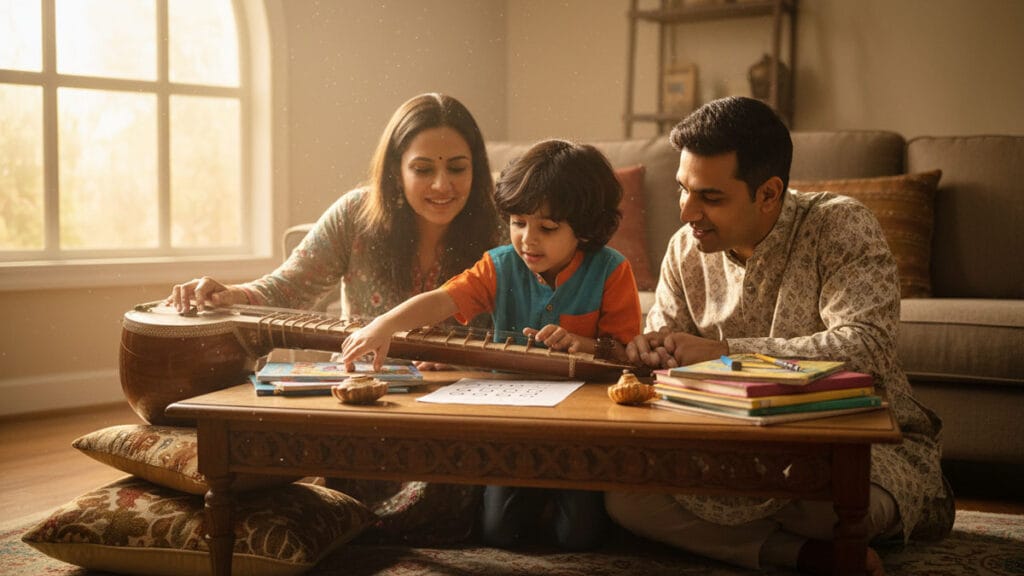
🎯 Readiness Assessment Framework
Musical Interest and Curiosity:
✅ Natural Musical Response: Child moves, hums, or responds positively to Indian classical music
✅ Questions About Music: Asks about songs, instruments, or cultural performances
✅ Attention to Musical Activities: Listens when family plays traditional music or attends cultural events
✅ Vocal Experimentation: Enjoys singing, humming, or making musical sounds
✅ Cultural Curiosity: Shows interest in Indian traditions, festivals, or family heritage
Attention and Focus Capabilities:
✅ Sustained Interest: Can focus on enjoyable activities for age-appropriate durations
✅ Following Instructions: Listens to and follows simple directions from adults
✅ Sitting Still: Comfortable sitting for age-appropriate periods during focused activities
✅ Learning New Things: Shows patience and persistence when acquiring new skills
✅ Positive Response to Structure: Enjoys routine and organized activities
Social and Emotional Readiness:
✅ Teacher Interaction: Comfortable talking to and learning from adults outside immediate family
✅ Mistake Tolerance: Can handle gentle correction without extreme emotional responses
✅ Family Time Value: Enjoys spending time in cultural or educational activities with family
✅ Pride in Heritage: Shows positive feelings about Indian culture and family traditions
✅ Performance Comfort: Willing to sing or share learning with family members
🚨 Readiness Red Flags
Indicators to Wait or Reconsider:
❌ Strong Resistance: Consistent negative reaction to musical activities or cultural practices
❌ Extreme Shyness: Refuses to participate in any musical activities even within family
❌ Attention Difficulties: Cannot focus on enjoyable activities for even short periods
❌ Emotional Regulation Issues: Frequent meltdowns or extreme responses to gentle guidance
❌ Cultural Rejection: Actively dislikes or resists Indian cultural activities or identity
❌ Competing Priorities: Other developmental or educational needs require primary attention
Family Readiness: The Critical Success Factor
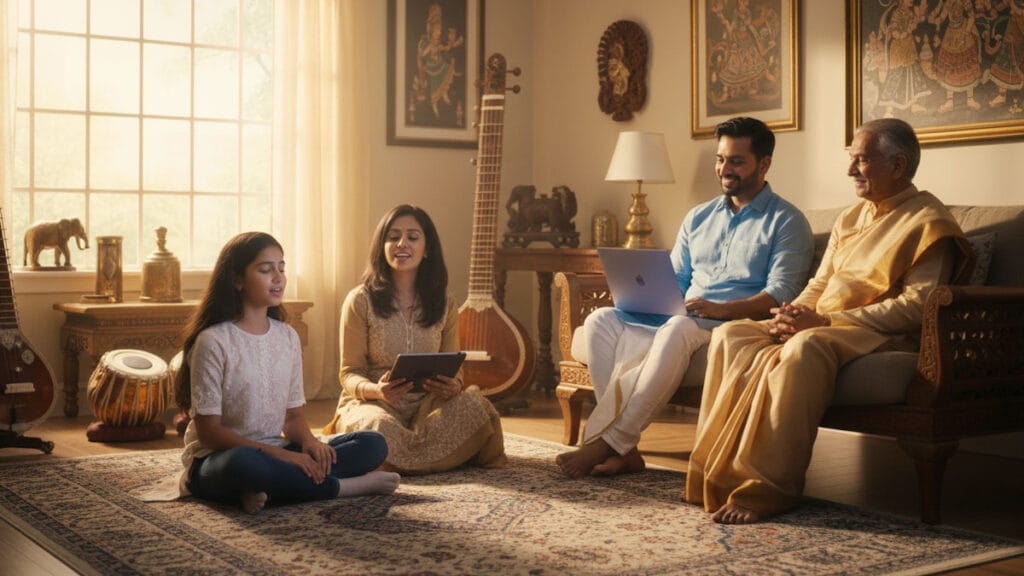
🏠 Family Support System Assessment
Parent Commitment and Understanding:
✅ Realistic Expectations: Understand time commitment and gradual progress nature of classical music learning
✅ Cultural Valuation: Genuinely appreciate importance of preserving musical heritage
✅ Schedule Accommodation: Can provide consistent lesson times and practice support
✅ Financial Planning: Prepared for investment in quality instruction and long-term learning
✅ Patience and Encouragement: Ready to support through challenges and learning plateaus
Home Environment Support:
✅ Dedicated Practice Space: Quiet area where student can focus without interruption
✅ Cultural Integration: Music becomes part of family life, celebrations, and daily routine
✅ Extended Family Support: Grandparents and relatives appreciate and encourage musical learning
✅ Technology Readiness: Reliable internet and equipment for online lessons if needed
✅ Positive Reinforcement: Family celebrates progress and maintains enthusiasm for learning
Community and Cultural Context:
✅ Cultural Community Access: Connection to Indian cultural organizations, temples, or associations
✅ Performance Opportunities: Regular chances for student to showcase learning in supportive environments
✅ Peer Connections: Other children in community also engaged in cultural learning
✅ Role Model Presence: Older students or adults in community who demonstrate success
✅ Cultural Event Participation: Family attends concerts, festivals, and cultural programs regularly
Choosing the Right Teacher for Your Child’s Age
The best age to start learning Carnatic music becomes less important when matched with age-appropriate teaching expertise.
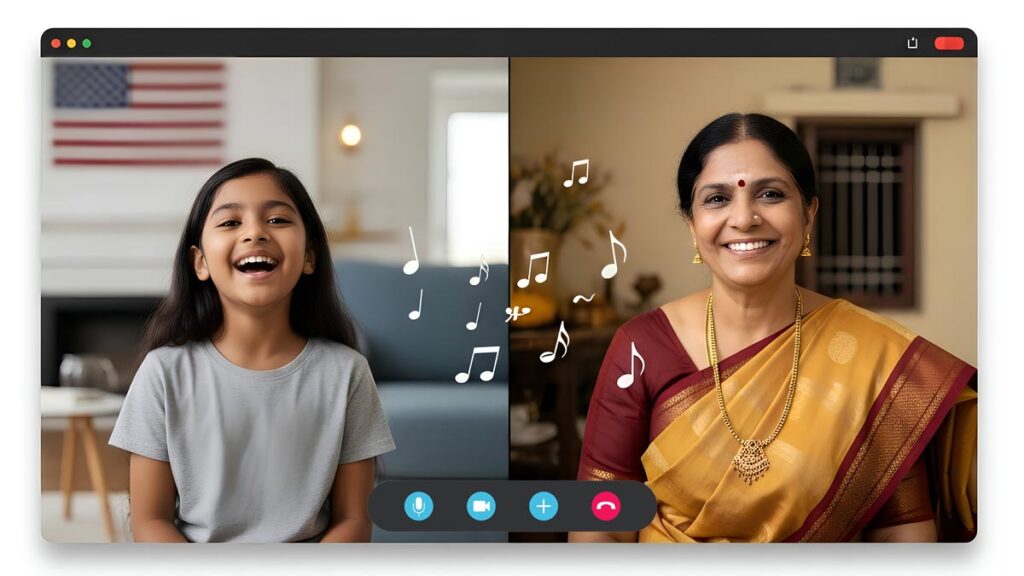
🎯 Age-Appropriate Teaching Characteristics
For Young Children (Ages 4-8):
- Play-Based Methodology: Games, stories, and movement that teach musical concepts naturally
- Patient Repetition: Multiple engaging ways to practice same concept without boredom
- Family Integration: Teaching parents how to support and continue learning at home
- Cultural Storytelling: Making compositions meaningful through age-appropriate stories and context
- Celebration Focus: Emphasizing participation and effort rather than perfect execution
For School Age (Ages 8-13):
- Structured Progression: Clear curriculum that builds systematically on previous learning
- Cultural Education: Age-appropriate historical and spiritual context for compositions
- Performance Preparation: Regular opportunities to showcase learning and build confidence
- Theory Integration: Combining practical singing with understanding of musical concepts
- Achievement Recognition: Celebrating milestones and breakthrough moments meaningfully
For Teenagers and Adults:
- Cultural Depth Emphasis: Rich exploration of philosophical, spiritual, and historical aspects
- Flexible Scheduling: Accommodation of academic, work, and family commitments
- Identity Integration: Connecting learning to personal heritage exploration and cultural pride
- Advanced Understanding: Immediate introduction to complex concepts and sophisticated compositions
- Community Connection: Linking to cultural organizations and performance opportunities
🌟 Why Swaramrit’s Approach Works Across All Ages
Age-Adaptive Teaching Excellence:
- Individual Assessment: Understanding each student’s developmental stage, learning style, and family goals
- “Learning through Encouragement”: Building confidence and cultural pride regardless of starting age
- Cultural Authenticity: Providing genuine traditional knowledge appropriate to student’s comprehension level
- Family Partnership: Working with parents to create optimal support systems for each age group
- Long-term Development: Clear pathways for continued growth regardless of starting point
Experienced Faculty Advantages:
- Age-Specific Expertise: Teachers trained in developmental approaches for different age groups
- Cultural Depth: Authentic traditional knowledge that enriches learning for all ages
- Individual Adaptation: Flexibility to adjust methods based on student response and progress
- Family Education: Guidance for parents in supporting age-appropriate learning at home
- Community Building: Creating connections between students of different ages and experience levels
Common Age-Related Myths Debunked
Separating Fact from Fiction in Musical Learning
Myths about the best age to start learning Carnatic music prevent many families from beginning their musical journey. Let’s address the most common misconceptions with research-based facts.
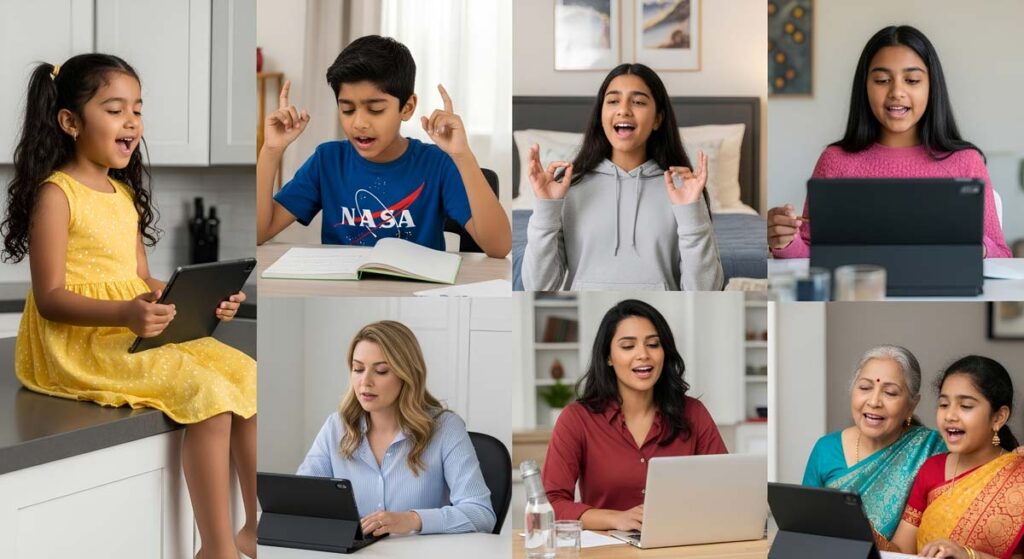
🚫 Myth #1: “After Age 7, It’s Too Late for Real Success”
The Myth: Children who don’t start by age 7 will never achieve true proficiency in Carnatic music.
The Reality: While younger starters may have some initial advantages in certain areas, success is determined far more by:
- Quality of instruction and teaching methodology
- Consistency of practice and family support over time
- Individual motivation and cultural connection
- Learning approach match to student’s style and personality
Evidence: Many accomplished Carnatic musicians started learning in their teens or even as adults. Recent neuroscience research shows that the brain remains remarkably plastic throughout life, capable of developing new musical skills at any age.
Success Examples:
- Students who started at 12-14 often achieve teaching capability by 18-20
- Adult learners frequently develop deeper cultural understanding than childhood starters
- Teenagers can progress rapidly due to advanced cognitive abilities and cultural interest
🚫 Myth #2: “Adults Can’t Develop Proper Vocal Technique”
The Myth: Adult vocal cords are too set in their ways to develop the flexibility needed for Carnatic music.
The Reality: Adult voices can absolutely develop the techniques needed for Indian classical music with:
- Proper breathing instruction and patient technique development
- Gradual vocal exercises that build flexibility safely over time
- Understanding of vocal health and warm-up/cool-down routines
- Realistic timeline expectations allowing for gradual improvement
Medical Evidence: Voice therapists and vocal coaches work successfully with adult singers of all genres. The vocal cords remain capable of new learning and flexibility development throughout adult life with proper instruction.
🚫 Myth #3: “Starting Young Guarantees Success”
The Myth: Children who start at ages 4-6 will automatically become accomplished musicians.
The Reality: Early starting provides certain advantages but doesn’t guarantee success. Many early starters discontinue learning due to:
- Lack of genuine interest vs. parent enthusiasm
- Burnout from excessive pressure or inappropriate expectations
- Poor teaching methods that don’t match developmental stage
- Family support changes as children grow and interests evolve
Success Factors: The most important predictors of long-term success are:
✅ Genuine student interest and motivation
✅ Consistent family support and cultural integration
✅ Quality instruction matched to learning style
✅ Realistic expectations and patience with natural development
✅ Cultural connection and meaning beyond just skill acquisition
🚫 Myth #4: “Teenagers Are Too Self-Conscious to Learn”
The Myth: Adolescents are too worried about peer opinion to embrace traditional cultural learning.
The Reality: Many teenagers actively seek cultural connection during identity formation years. Success factors include:
- Cultural pride framing: Positioning music as unique heritage strength
- Peer community building: Connecting with other culturally engaged teens
- Performance opportunities: Showcasing skills in supportive, appreciative environments
- Identity integration: Connecting learning to personal heritage exploration
- Respect for autonomy: Allowing teen to drive their own learning goals
Research Shows: Identity formation during teenage years often includes increased interest in family heritage and cultural belonging. Music learning can become a positive identity component rather than source of embarrassment.
What Really Determines Musical Success
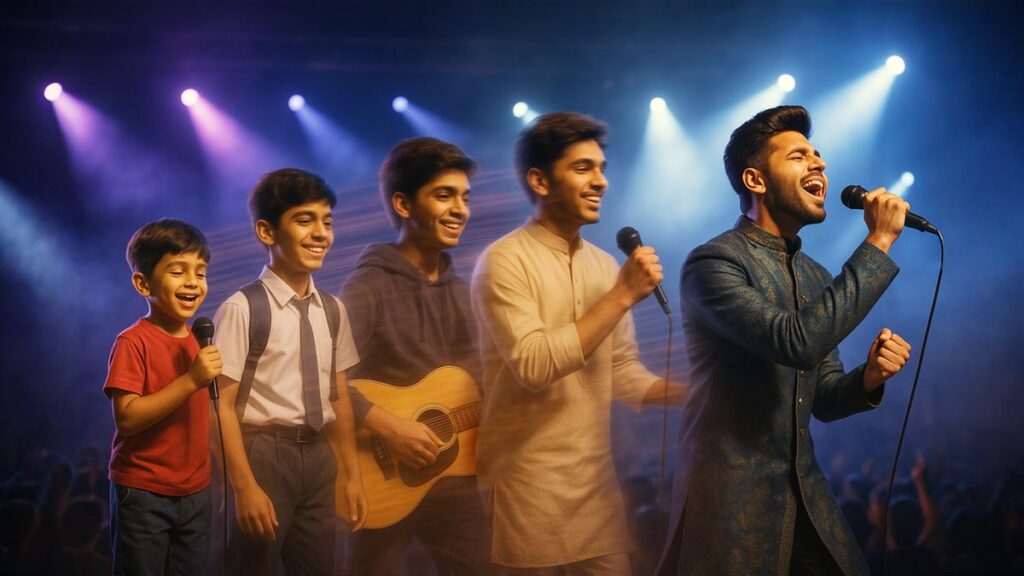
🏆 Real Success Predictors (Age-Independent)
Individual Factors:
- Genuine Interest: Student’s authentic curiosity and enjoyment of musical activities
- Cultural Connection: Positive feelings about heritage and family traditions
- Growth Mindset: Willingness to learn from mistakes and persist through challenges
- Practice Consistency: Regular, focused practice time regardless of natural ability
- Goal Clarity: Understanding what they want to achieve and why it matters
Family Factors:
- Consistent Support: Long-term commitment to supporting learning through challenges
- Cultural Integration: Music becoming part of family life, not separate obligation
- Realistic Expectations: Understanding that meaningful progress takes time and patience
- Quality Investment: Choosing expert instruction over cheaper, lower-quality alternatives
- Community Involvement: Participating in cultural events and connecting with other learning families
Teaching Factors:
- Individual Adaptation: Instruction matched to student’s age, style, and goals
- Cultural Authenticity: Genuine traditional knowledge and respectful teaching approach
- Positive Methodology: Encouraging approach that builds confidence while maintaining standards
- Family Partnership: Working with parents to create optimal home learning environment
- Long-term Perspective: Focus on sustainable development rather than quick results
Environmental Factors:
- Cultural Community: Access to performances, events, and other learning families
- Practice Support: Dedicated space and time for focused musical development
- Performance Opportunities: Regular chances to share learning in supportive environments
- Resource Access: Quality learning materials, recordings, and supplementary resources
- Extended Family Appreciation: Grandparents and relatives who value and encourage musical learning
Making the Right Decision for Your Family
Age-Appropriate Starting Strategies
Now that you understand the complexities beyond chronological age, how do you determine the best age to start learning Carnatic music for your specific child and family situation?
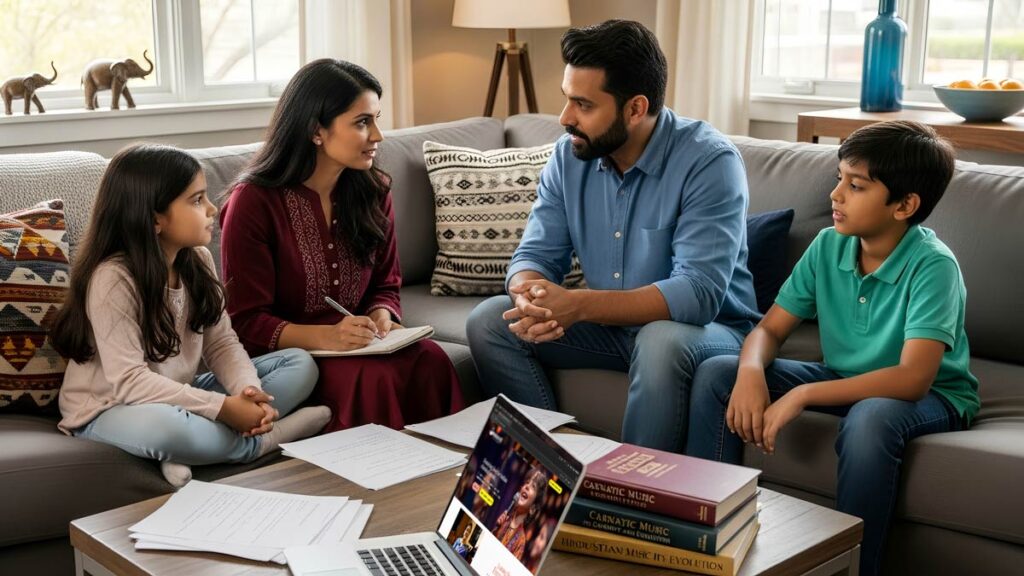
🎯 Age-Specific Starting Strategies
For Early Childhood (Ages 4-7):
Start Now If:
- Child shows natural musical interest and response
- Family can provide high daily support and involvement
- No competing developmental priorities need attention
- Parents understand this requires 2-3 year commitment for visible results
Wait and Reassess If:
- Child shows resistance to musical activities
- Family schedule cannot accommodate daily practice support
- Other developmental areas need primary focus
- Parents expect rapid progress or performance readiness
Starting Approach:
- Begin with 15-20 minute sessions focused on fun and exploration
- Require parent presence during lessons and practice
- Emphasize cultural storytelling and playful learning methods
- Set very realistic timeline expectations (18-24 months for basic performance)
For School Age (Ages 8-12):
This is Often Ideal Because:
- Cognitive readiness meets practical capability
- Memory and attention span optimal for structured learning
- Cultural curiosity and heritage interest naturally developing
- Can balance music with school without overwhelming schedule
Starting Approach:
- Begin with standard 45-minute lessons and structured curriculum
- Establish regular practice routine with moderate parent support
- Integrate cultural education and historical context from beginning
- Set milestone goals for 6-month and 12-month progress markers
For Teenagers (Ages 13-18):
Strong Success Potential When:
- Teen expresses genuine interest in cultural heritage exploration
- Family respects teen autonomy in driving learning goals
- Cultural pride framing rather than parent-imposed activity
- Realistic timeline understanding (can achieve significant progress in 18-24 months)
Starting Approach:
- Focus immediately on cultural depth and identity connection
- Allow significant input in goal-setting and repertoire choices
- Connect to community cultural activities and peer networks
- Emphasize unique cultural strengths rather than catching up to childhood starters
For Adults:
Excellent Outcomes Possible When:
- Clear personal motivation for cultural connection
- Realistic expectations about gradual vocal development
- Family support for time commitment and practice needs
- Integration with spiritual practice or cultural community involvement
Starting Approach:
- Begin with cultural context and historical understanding
- Focus on breath work and vocal health from beginning
- Connect to adult learning communities and cultural organizations
- Celebrate personal growth rather than comparing to others
Family Assessment Framework

🏠 Family Readiness Self-Assessment
Rate Each Factor (1-5 scale):
Time and Schedule Commitment:
- Can we provide consistent lesson times weekly? ___
- Is there dedicated practice time daily? ___
- Can we maintain this schedule for 2-3 years? ___
- Are we prepared for time investment beyond lessons? ___
Financial and Resource Commitment:
- Are we ready to invest in quality instruction? ___
- Can we maintain consistent payments over years? ___
- Do we have proper equipment and learning environment? ___
- Are we prepared for additional costs (materials, events)? ___
Cultural Integration and Support:
- Do we actively participate in Indian cultural events? ___
- Are we comfortable with traditional teaching approaches? ___
- Will extended family support and appreciate this learning? ___
- Can we integrate music into family celebrations and daily life? ___
Learning Support and Patience:
- Are we prepared to support daily practice? ___
- Can we maintain patience through learning challenges? ___
- Will we celebrate gradual progress rather than demanding quick results? ___
- Are we committed to long-term development rather than short-term achievement? ___
Scoring Guide:
- 16-20 points: Excellent readiness – likely success regardless of starting age
- 12-15 points: Good readiness – success probable with realistic expectations
- 8-11 points: Moderate readiness – consider waiting or addressing gaps first
- Below 8 points: Low readiness – work on family preparation before starting
Choosing Your Starting Approach
🎯 Swaramrit’s Age-Appropriate Starting Programs
For Young Children:
- Gentle Introduction Program: Play-based learning with heavy parent involvement
- Cultural Storytelling Integration: Age-appropriate context for all compositions
- Family Partnership Approach: Parent education and home support guidance
- Flexible Pacing: Adjustment based on attention span and interest development
For School Age Students:
- Structured Excellence Program: Systematic curriculum building solid foundations
- Cultural Heritage Integration: Rich historical and spiritual context throughout
- Performance Preparation Track: Regular opportunities to showcase progress
- Academic Balance Support: Working with school schedules and family priorities
For Teenagers:
- Heritage Identity Program: Cultural exploration and pride development focus
- Accelerated Learning Track: Efficient progression respecting cognitive abilities
- Community Connection Emphasis: Links to cultural organizations and peer networks
- Leadership Development: Opportunities to mentor and contribute to cultural community
For Adults:
- Cultural Reconnection Program: Heritage exploration with spiritual depth
- Flexible Adult Learning: Accommodation of work and family schedules
- Health-Conscious Approach: Safe vocal development with proper technique emphasis
- Family Integration Support: Including spouse and children in cultural learning journey
Why Swaramrit’s Approach Succeeds Across All Ages:
✅ Individual Assessment: Understanding each student’s specific needs and goals
✅ Family Partnership: Working with parents to create optimal support systems
✅ Cultural Authenticity: Genuine traditional knowledge adapted to American family life
✅ “Learning through Encouragement”: Building confidence and cultural pride regardless of starting age
✅ Long-term Commitment: Supporting students through entire learning journey, not just initial lessons
Conclusion: The Best Age is When You’re Ready to Begin
What’s the best age to start learning Carnatic music? After exploring all age groups, developmental factors, and success predictors, the answer becomes clear: The best age is when your child shows genuine interest and your family is ready to provide consistent, patient support.
Key Insights for Your Family’s Decision:
🎯 Age Advantages Exist But Don’t Determine Success: While different ages offer unique benefits, long-term success depends more on individual readiness, family support, and quality instruction than chronological age.
🎯 Individual Factors Matter Most: Your child’s interest, attention span, cultural curiosity, and learning style predict success better than whether they start at 5, 8, or 15.
🎯 Family Readiness is Crucial: Parent commitment, realistic expectations, and cultural integration support determine outcomes more than student age.
🎯 Quality Teaching Adapts to Any Age: Expert instruction can help students succeed regardless of starting age by adapting methods to developmental stage and individual needs.
🎯 Cultural Connection Transcends Age: The spiritual and heritage benefits of Carnatic music learning are equally meaningful whether begun in childhood, adolescence, or adulthood.
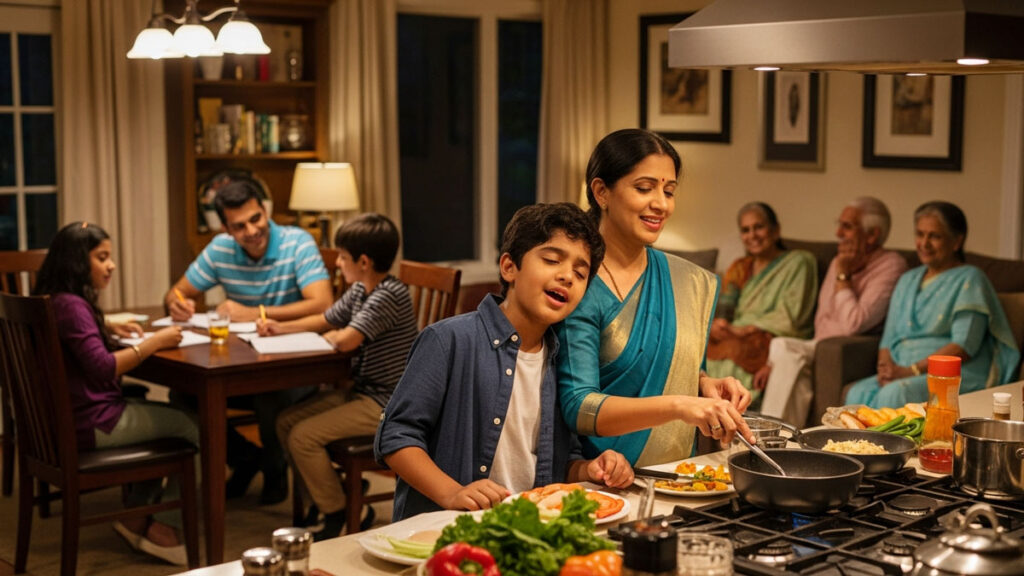
The most successful musical journeys begin with families who:
- Focus on their child’s genuine interest and readiness rather than arbitrary age rules
- Commit to providing consistent support regardless of starting age
- Choose quality instruction that adapts to their child’s developmental stage
- Integrate music learning into family cultural life and celebrations
- Maintain realistic expectations and celebrate gradual progress
- View musical education as long-term cultural investment rather than short-term skill acquisition
Whether your child is 4 and showing early musical curiosity, 10 and asking about Indian traditions, or 16 and exploring cultural identity, the right time to start is when you can say “yes” to consistent, patient, culturally meaningful learning.
For Indian-American families ready to begin this rewarding journey, Swaramrit’s online Carnatic music lessons provide age-appropriate expert guidance that adapts to your child’s developmental stage while ensuring authentic cultural education. Our “Learning through Encouragement” methodology has helped students succeed across all age groups, from curious preschoolers to motivated teenagers to heritage-seeking adults.
The best age to start learning Carnatic music isn’t found on a calendar – it’s found in your child’s eyes when they light up at the sound of beautiful traditional music, and in your family’s commitment to preserving and celebrating your rich cultural heritage.
Ready to discover if now is the right time for your family? Get a free lesson today for an age-appropriate consultation that considers your child’s individual readiness, your family’s goals, and the optimal learning approach for your unique situation.
Continue Your Musical Education Research:
- Complete Guide to Online Carnatic Music Lessons – Comprehensive overview for all ages
- How Long Does It Take to Learn Carnatic Music – Realistic expectations by age group
- Learning Carnatic Music as an Adult – Never too late to start
- Cost of Online Carnatic Music Lessons – Investment planning for quality education
- Can You Learn Carnatic Music by Yourself
- Carnatic vs Hindustani Music Guide